Chamonix: France's Premier Alpine Resort & Ski Destination
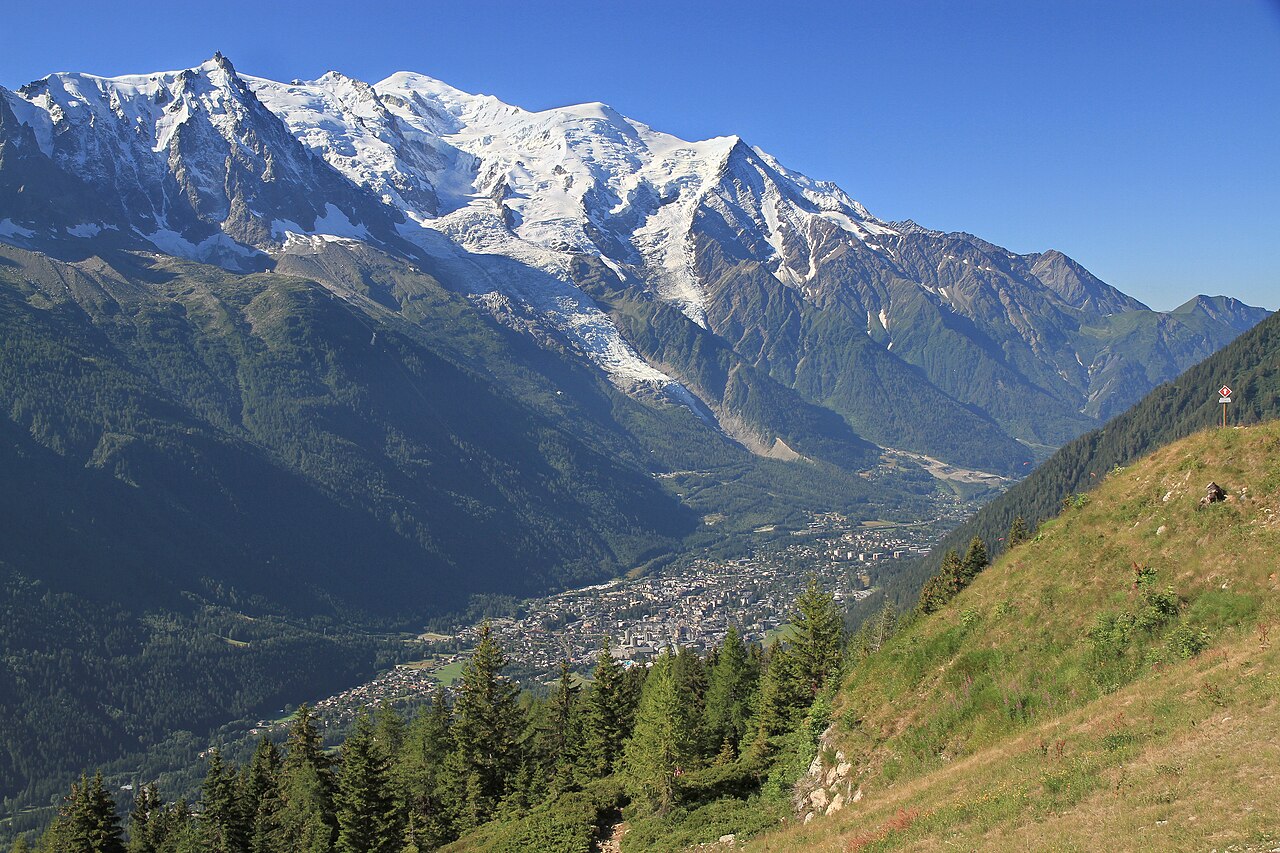
Nestled deep within the breathtaking French Alps, Chamonix-Mont-Blanc, affectionately known simply as Chamonix, stands as an undisputed icon of winter sports and year-round mountain adventure. This esteemed commune in the Haute-Savoie department of the Auvergne-Rhône-Alpes region isn't just another ski resort; it's a living legend, a vibrant hub that marries extreme sports with enchanting Alpine charm. Renowned globally, Chamonix cemented its place in history as the host of the very first Winter Olympics in 1924, forever linking its name with the pinnacle of athletic achievement and the spirit of exploration. Positioned majestically at the foot of Mont Blanc, the highest peak in Western Europe, Chamonix offers an unparalleled gateway to some of the world's most spectacular and challenging mountain terrain, drawing millions of visitors seeking exhilaration, natural beauty, and a deep connection with the Alpine environment.
Chamonix-Mont-Blanc: A Jewel in the French Alps
The allure of Chamonix begins with its dramatic setting. Situated strategically in southeastern France, this globally recognized mountain resort lies just north of Mont Blanc, towering at an impressive 4,808 meters (15,764 feet). The Chamonix Valley itself stretches approximately 18 kilometers along the Arve River, flanked by the rugged Aiguilles Rouges range to the south and the colossal Mont Blanc massif to the north. At an elevation of around 1,035 meters, the town is surrounded by spectacular glacial landscapes, offering accessible high-altitude terrain that gradually decreases southward, creating a diverse playground for every type of outdoor enthusiast.
What makes Chamonix truly unique is its geographical crossroads. It borders both Switzerland, a mere 15 kilometers away via the Col des Montets, and Italy, accessible through the famous Mont Blanc Tunnel, opened in 1965. This proximity makes it a critical cross-border hub for Alpine exploration, connecting cultures and adventures across nations.
The history of Chamonix is as rich and layered as its landscape. Its name originates from the Latin phrase campum munitum, meaning "fortified field" or "protected plain," a testament to its early strategic importance in a rugged terrain. This etymology suggests rudimentary enclosures built by early inhabitants to guard against natural hazards and potential invaders. The valley's first documented reference dates back to a 1091 charter, when Count Aymon I of Genevois donated the area, explicitly called campum munitum, to the Benedictine Abbey of Saint-Michel. From these agricultural beginnings, Chamonix gradually transformed into a global tourism hub, a shift accelerated by the first ascent of Mont Blanc in 1786 and solidified by the 1924 Winter Olympics. Today, with a resident population of around 8,673 (as of 2022), the town's numbers swell dramatically during peak seasons, fueled by approximately 3 million annual visitors (as of 2023) drawn to its unparalleled charm and adventure offerings.
Unrivaled Skiing and Mountaineering Adventures
For many, Chamonix is synonymous with world-class skiing and the ultimate mountaineering challenge. As one of the oldest ski resorts in France, its legacy is deeply entwined with the evolution of Alpine sports. The valley boasts five distinct ski areas, collectively offering approximately 110 kilometers of slopes catering to all levels, though it's particularly celebrated for its challenging terrain and extensive off-piste opportunities.
Skiing Highlights:
- Off-Piste Excellence: Chamonix is a magnet for experienced skiers and snowboarders. The legendary Vallée Blanche, a breathtaking 20-kilometer off-piste run, is accessible via the iconic Aiguille du Midi cable car. This descent offers some of the most spectacular glacial scenery imaginable, but it requires significant skill and, ideally, a qualified mountain guide for safety.
- Diverse Ski Areas: From the tree-lined slopes of Les Houches to the high-alpine terrain of Grands Montets (known for its steep and challenging runs), and the more accessible pistes of Le Brévent and La Flégère, there's a varied experience for everyone. Balme (Le Tour) offers gentler, scenic slopes ideal for intermediates.
- Ski Touring & Freeride: Beyond the marked pistes, Chamonix is a premier destination for ski touring and freeride, attracting those who seek untouched powder and remote ascents.
But Chamonix's reputation extends far beyond skiing. It is universally recognized as the "capital of alpinism," a title earned through centuries of pioneering mountaineering expeditions and its role as a base for countless ascents of the Mont Blanc massif. The dramatic peaks of the Aiguilles Rouges and the formidable Aiguille du Midi provide a playground for climbers, ice climbers, and mountaineers of all abilities.
Mountaineering & Alpinism:
- Gateway to Mont Blanc: For serious alpinists, Chamonix serves as the primary launching point for attempts on Mont Blanc itself, as well as a myriad of other high-altitude routes and technical climbs.
- Aiguille du Midi Cable Car: This engineering marvel whisks visitors up to 3,842 meters in just 20 minutes, offering astonishing panoramic views of the French, Swiss, and Italian Alps. It's not just for skiers; sightseers can enjoy the "Step into the Void" glass skywalk and access various high-altitude facilities. It's also a crucial access point for many mountaineering routes.
- Guided Ascents: Due to the extreme nature of many routes, Chamonix is home to a world-renowned corps of mountain guides, essential for safe and successful adventures, especially for less experienced individuals.
Whether you're carving down pristine powder or tackling a challenging ridge, the sheer scale and beauty of the mountains surrounding Chamonix provide an unforgettable backdrop for any adventure.
Beyond the Slopes: Year-Round Activities and Local Insights
While Chamonix truly shines in winter, its appeal as a premier Alpine destination extends throughout the year, offering a remarkable array of activities that embrace its unique natural environment. The town's vibrant energy and stunning surroundings make it a captivating destination, no matter the season.
Summer Adventures:
- Hiking & Trail Running: The Chamonix Valley boasts hundreds of kilometers of marked trails, from gentle strolls along the Arve River to challenging multi-day treks that traverse high mountain passes and afford incredible views of glaciers and peaks. It's a mecca for trail runners, hosting prestigious events like the Ultra-Trail du Mont-Blanc (UTMB).
- Mountain Biking: From exhilarating downhill tracks to scenic cross-country routes, Chamonix offers fantastic mountain biking opportunities, often utilizing the same lifts that serve skiers in winter.
- Paragliding & Rock Climbing: The dramatic cliffs and thermals make it an ideal spot for paragliding, offering bird's-eye views of the valley. Rock climbing is also immensely popular, with numerous crags and multi-pitch routes for all skill levels.
- Family-Friendly Fun: Beyond extreme sports, families can enjoy summer luge, adventure parks, ice skating, and swimming pools, ensuring there's something for every age.
Cultural Experience and Practical Tips:
The town of Chamonix itself is a charming blend of traditional Alpine architecture and modern amenities. Its bustling streets are lined with specialist outdoor gear shops, gourmet restaurants serving Savoyard delicacies, cozy cafes, and vibrant nightlife. Despite its international renown, it maintains a strong sense of local community and heritage. Wandering through its pedestrianized center, you'll feel the pulse of alpinism everywhere, from monuments celebrating past mountaineering feats to the sight of climbers heading out with their gear.
- Best Time to Visit: For skiing, December to April offers optimal conditions. For hiking and climbing, June to September is ideal, with longer daylight hours and warmer temperatures. Shoulder seasons (May, October, November) can offer quieter experiences and stunning autumn colors, though some facilities may be closed.
- Accommodation: Chamonix offers a wide range of accommodation, from luxury hotels and boutique chalets to budget-friendly hostels and apartments. Booking well in advance, especially during peak season, is highly recommended.
- Transportation: The town is well-served by local buses that connect the various ski areas and villages within the valley, making it easy to get around without a car. A local train also runs the length of the valley, connecting to Martigny in Switzerland.
- Sustainable Tourism: As a popular destination, Chamonix faces the challenges of balancing tourism with local life. A notable step is the upcoming ban on new second-home construction in 2025, aimed at preserving housing for local residents and fostering a sustainable community.
This blend of natural grandeur, adventure heritage, and a forward-thinking approach to tourism solidifies Chamonix as a global icon of Alpine culture and sport, making it much more than just a destination; it’s an experience.
Conclusion
From its historic role as the host of the first Winter Olympics to its current status as the undisputed "capital of alpinism," Chamonix truly embodies the spirit of the mountains. Nestled at the foot of Mont Blanc, this premier Alpine resort offers an unparalleled array of adventures, whether you're carving down legendary off-piste runs, tackling challenging rock faces, or simply soaking in the breathtaking views from the Aiguille du Midi. Its rich history, vibrant culture, and commitment to both exhilarating sports and sustainable living make it a uniquely captivating destination. For anyone seeking the ultimate mountain experience in the heart of the French Alps, Chamonix delivers an unforgettable journey into the grandeur and excitement of nature.